Choosing a location when installing a bathroom vent fan depends on where the fan will work best for removing moisture and how to run the ductwork efficiently. Read on to find out what a bathroom fan does, how best to run the ducts, and the steps you need to take.
Why Install a Bathroom Vent Fan?
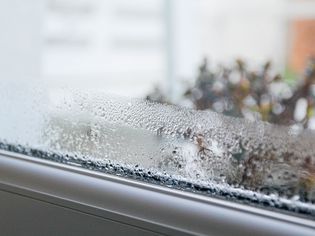
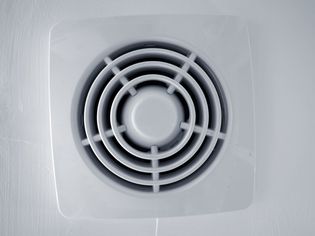
A bathroom vent fan is necessary to remove excess moisture from the room during baths and showers. Without a bathroom vent fan, a stuffy room with no outlet for steam and condensation will develop mold, mildew, and water spots on the ceilings, walls, and flooring. A bathroom vent fan pulls the moist air out of the room to prevent muggy conditions that fog up windows and mirrors and create musty odors.
Building codes do not always require bathroom exhaust fans if the room also has a window. However, it's best to install a bathroom exhaust fan that can be utilized year-round because it can be uncomfortable or less energy efficient to open windows during especially cold or hot weather.
Follow the Moisture
First, the fan should be located in the area of the bathroom that is exposed to the most moisture. This is usually the area over the bathtub or shower. You can place the fan directly over the bathtub or shower base, but it's sufficient to position it anywhere near the bathing area.
The goal of the exhaust fan is primarily to remove wet, humid air that can cause mold or moisture damage, and your bathroom will exhaust most quickly if you position the fan over the area with the most moisture. If the bathroom has a tub and shower or a whirlpool tub, the fan should go somewhere between the two fixtures.
If the bathing area is in its own room, that room needs its own fan, and you might want to add another fan for the main bathroom area or wherever the toilet is located.
Plan Your Vent Ductwork Route
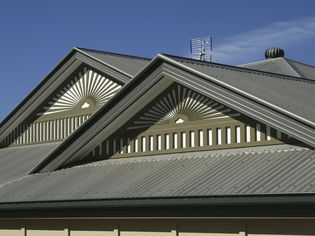
Bathroom exhaust fans must be vented through the roof or the side of your house. Plan the location for the bathroom exhaust fan so that the duct has the shortest and most direct route to the roof or wall vent. It's best if the fan unit is within 6 feet of the exterior vent cap, where all the moist air escapes to the outdoors using the straightest route possible. Longer duct runs make the fan less effective and increase the likelihood of condensation inside the duct.
You can terminate the duct through the roof, a gable wall, or even a soffit (if you use a special vent cap). But avoid venting through a side wall below a soffit (the eave overhang of the roof), as this can trap rising, moist air under the eave overhang.
Check the Attic
Head into the attic with a tape measure to scout your bathroom exhaust fan location from above the ceiling. If necessary, measure from an exterior wall, a plumbing vent pipe, or electrical boxes in the ceiling to find your bearings relative to the bathroom fixtures below. (It also helps to have a helper below measuring inside the bathroom and communicating measurements by cell phone.)
Ensure you can install the fan between two ceiling joists and that there is enough room to transition from the fan housing to the duct. Also, ensure the vent cap will be well clear of obstructions and trouble areas of the roof—things like roof valleys, skylights, chimneys, or furnace or water heater vents.
Drill a Locator Hole
Before cutting the hole in the ceiling for the fan housing, use a drill and a small bit to drill a pilot hole through the ceiling material at the center of the fan location. Head back to the attic to confirm that the location will work and that no plumbing or wiring runs are in the way. Using a locator hole is much more accurate than measuring from neighboring features. Use the same technique when it's time to cut a hole in the roof or attic wall to install a vent cap to terminate the ductwork.
- Can a bathroom fan be vented into the attic?
No, you can't vent a bathroom exhaust fan into the attic because it's against building codes and can cause mold and damage to the wooden structure.
Should a bathroom fan be on during or after a shower?Turn on a bathroom vent fan just before you begin your shower or bath, and keep it on for about 20 minutes after the shower is over to remove residual steam.
Is it better to vent a bathroom fan through the wall or the roof?You can vent a bathroom exhaust fan through the wall or roof. Either is fine, but the shorter the route, the better.
Recommended Articles
 PAINTING
Paint Calculator: How Much Paint Do I Need?
This paint coverage calculator makes calculating the amount of paint you'll need for your project nearly automatic. Your role in the process involves just a few elements: Measure the height and width
ROOM-DESIGN-AND-DECORATINGHow One Designer Pushes Past "Trends" to Create One-of-a-Kind Spaces
Acknowledging the contribution of Black interior designers to the design and decor spaces is crucial to moving forward and giving all voices, regardless of their backgrounds, the space to be heard. We
INTERIOR-REMODEL-AND-REPAIRHow to Assemble Your Renovation Dream Team
When my husband and I set out to buy a small cottage in the English countryside, we didn’t exactly plan to buy a fixer-upper. But as soon as we set foot into the Cotswolds cottage that would eventuall
INTERIOR-REMODEL-AND-REPAIRWhat Happens to Your Home in the Humidity? 6 Major Issues You Should Watch For
Not only is high humidity uncomfortable for you, it can actually cause serious damage to your home. Especially in the dog days of summer and long bouts of rainfall, humidity levels have been rising at
INTERIOR-REMODEL-AND-REPAIR5 Lessons I Wish I Learned Earlier About Renovating a Home as a First-Time Homeowner
This story is a part of our Old House New Issue, where we explore why people are no longer moving in 2024, and how to renovate your current home to make it work for you. To learn more about where to s
HOME-IMPROVEMENTStanding Seam Metal Roofing: Know Before You Buy
For a long time, your main option for roofing materials was asphalt shingles. Most metal roofs were confined to commercial buildings or to higher-end residential structures. Now, standing seam metal r
EXTERIOR-REMODEL-AND-REPAIR8 Popular DIY Projects That Can Decrease Your Home's Value, a Real Estate Agent Says
Tackling DIY home improvement projects can make your home look better, be more functional, and can even increase the value of the home, making it a better investment for when you eventually sell. Howe
KITCHEN-REMODEL-AND-REPAIR8 Ways to Update Oak Kitchen Cabinets Without Breaking the Bank
Modernizing dated oak cabinets doesn't require replacing them. You can upgrade your space on a budget with a simple DIY refresh—from swapping out hardware to a coat of paint, a new stain, or altering