
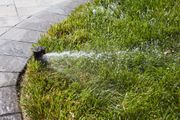
In a lawn irrigation system, repair or replacement of an irrigation valve is a very common repair. An irrigation system is typically divided into several zones, each of which feeds sprinkler heads in a different area of the lawn or garden, and each zone is controlled by a valve that receives signals from a centrally located controller. The constant on-off cycles of the valves creates wear and tear, and sooner or later you will be faced with the job of working on one or more of the valves.
Surprisingly often, though, it can be difficult to locate the sprinkler valves. The task is complicated by the fact that the valve locations can vary greatly depending on the size of the yard and the design of the system. In many areas, the source water for irrigation systems may not come from the house: Some local jurisdictions require there to be a reduced pressure zone assembly (or RPZ valve) on the source water, in which case the valves will be outside.
- Sometimes (and rarely), the valves are located above ground, usually near where the source pipe emerges from the house to split into various irrigation zones. In this case, it's usually quite easy to find the valves.
- Often the valves are located inside one or more in-ground valve boxes. The tops of these boxes will be at ground level, and these, too, are usually fairly easy to spot and access.
- The valve box, or sometimes the valves themselves, are sometimes buried underground. This is where it can get challenging. There are many instances where homeowners have dug up large areas of the yard in an effort to find buried valves.
Finding Above-Ground Irrigation Valves
Above-ground irrigation valves are usually installed near the water source, so start by looking around the perimeter of the house or garage. Look behind bushes, since shrubbery that spreads as it matures can often hide the sprinkler valves. Often, the zone valves will be located in close proximity to the vacuum breaker, a required feature in most irrigation systems.
Tips for Finding Buried Irrigation Valves
In newer lawn irrigation systems, the valves should be installed in valve boxes set into the earth. Often these are easily visible. In small yards, there is often a single valve box located near where the irrigation pipes enter the ground from the water source. Larger yards may have remote valve boxes set at the start of each irrigation zone. Here are some tips for location below-ground valves, beginning with the easiest.
- Begin by looking for exposed valve boxes. In many instances, the valves will be conveniently located in green or black plastic boxes set into the ground, with covers that can be removed to expose the valves. These boxes have covers that can be removed to access the valves. Over time, however, these boxes can get covered with grass and dirt. After a few years, they can virtually disappear.
- Check your sprinkler system documentation. Many sprinkler system installers provide a system diagram that outlines the location of sprinkler heads and valve.
- If the irrigation system required a permit for installation, your local permits department may still have an irrigation blueprint on file, which will indicate the location of the valves.
- It may be possible to follow the sound of the water leading to the missing valve. Have someone turn on just that zone at the main controller and listen for water going to the valve. Also, listen for clicking when the valve is activating or hissing from the water pressure in the valve. This is best done when there is little surrounding noise interference.
- The order in which the sprinklers in that zone start up can be another clue. Have a helper manually turn on that zone at the controller and observe. The sprinkler head that is closest to the valve should pressurize slightly before the rest of the sprinklers. Start at that sprinkler and try to find the valve nearby.
- The cheapest and easiest way to find buried irrigation valves is often to probe the soil with a thin rod, such as a long screwdriver. Often you can estimate the rough location of the irrigation valve, then find a buried valve box by probing the ground. But this is not a good method unless you are sure the valves are protected by a valve box, since probing can damage the solenoid, valve wires, or the irrigation pipes. To estimate the location of a valve, note the point where the controller wire enters the ground from the main controller, and project the path of the wire. Very often, the valve location is near the corners of the house or just slightly past the backflow preventer. Probe the ground to a depth of about 6 to 12 inches and listen/feel for the presence of the hollow valve box. When you think you have found the box, dig down carefully with a hand trowel to avoid damaging the irrigation pipes or controller wires.
- With automatic sprinkler systems, you may be able to trace the controller wires all the way from the main controller to the valve locations. Dig holes every 10 feet or so to observe the direction of the wires until you locate the valve, but be careful not to damage the wires as you dig—a hand trowel is the best tool to use.
- A simple tool known as a chatter locator energizes the valve solenoid, making it possible to locate the valve by listening for the clicking sound it makes.
- Another rental tool, known as a valve locator, can find a valve by tracing the controller wires using a transmitter, receiver, lead wires, and a grounding stake. It operates much like a metal detector.
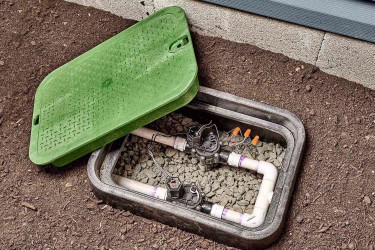
The Spruce / Kevin Norris
Map Your Irrigation System for the Future
Once you have located the irrigation valves, consider drawing up a diagram of the sprinkler system to avoid this problem in the future. It may be a while before you need to repair or replace a sprinkler valve again, and you may not recall the exact location by then.
Recommended Articles

The 4 Most Popular Front Door Colors of 2024, According to Paint Experts
Anyone who appreciates a cute front door knows what a great first impression a beautiful color makes. That's why selecting the perfect color to don your door can be a big task—but thankfully, we have

Is Farmhouse Design Out for 2025? We Asked Designers for Their Unfiltered Takes
As much as we love knowing what trends are on their way in, we also try to keep our eye on which trends are on their way out. From the segue away from cool gray to the fall of all-white kitchens, some

Our 10 Favorite Home Decor Items From Black-Owned Brands to Shop Right Now
There’s never been a better time to support Black-owned brands and businesses. These brands aren’t just defying the odds; they’re continually pushing the needle in today’s design landscape. Whether yo

How Long Does a Home Inspection Take? What to Know When Buying a Home
Home inspections are typically conducted during the selling process when a buyer wants to get an in-depth look at the property before investing. While home inspections are not required by most lenders

5 Overlooked Reno Ideas That Add Major Value to Your Home, According to a Contractor
This story is a part of our Old House New Issue, where we explore why people are no longer moving in 2024, and how to renovate your current home to make it work for you. To learn more about where to s
Subflooring vs Joists vs Underlayment: What's the Difference?
Layered flooring systems are flexible, sturdy, inexpensive, and easy to build. The flooring system found in most homes starts with a floor covering (laminate, vinyl, tile, or other) on top of an optio
Can You Paint a House in Humidity?
Paint and water don't mix. Though latex paint is water-based, introducing water during the application process results in streaks, bubbles, and discoloration, plus the paint cures too slowly. You cann

These 8 Hacks Can Help You Fake a Kitchen Reno
When it comes to renovating your home, nothing makes more of a difference than a brand new kitchen—and nothing is quite as demanding on the budget either. If a new kitchen just isn't quite in the card