
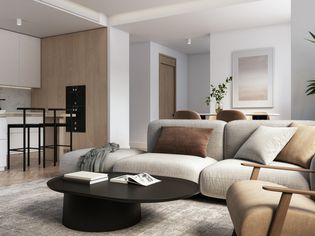
Whether you're moving into your first apartment or your fifth, it's always helpful to brush up on what types of decorating mistakes you will want to be sure to avoid.
We spoke with four interior designers who cited six of the main issues that they come across when working with apartment-dwelling clients. Take note of what not to do so that you can then decorate your place to the fullest.
Purchasing a Rug That's Too Small
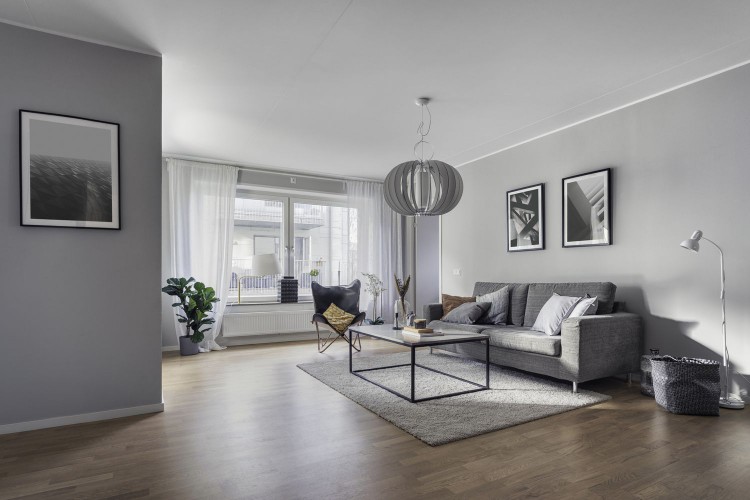
Just because your apartment is somewhat compact doesn't mean you should order a small-sized rug that sits awkwardly in the middle of the room, Danielle DiBernardo, the founder of Danielle Interiors, says.
A good rule of thumb to remember is to make sure the front legs of your furniture rest on top of the rug, DiBernardo says.
Marcus Lindstrom / Getty Images
Want more design inspiration? Sign up for our free daily newsletter for the latest decor ideas, designer tips, and more!
Ordering Furniture That's Too Large
When it comes to furniture pieces, you do want to plan to size down. Keep in mind that a piece like a traditional 82-inch console may appear extremely large in an apartment living room, for example, and a full three-seater sofa may be out of the question.
"Oftentimes, people try to transfer their larger pieces from their previous home and find that the furniture just looks squished," Jill Wheeler, the founder of Birch Hill Interiors, explains.
Therefore, adequate planning ahead of time is key so that you don't load items that you won't need into the moving truck. Danielle Domingues, the founder of Collins & Co Interiors, uses a top-down space plan to better understand how to fit everything in a space when she works with clients.
"A 60-inch round table and a 48-inch round may not sound to be that different, but will make a huge difference in the feel and flow of an apartment," Domingues says.
Skimping on Lighting
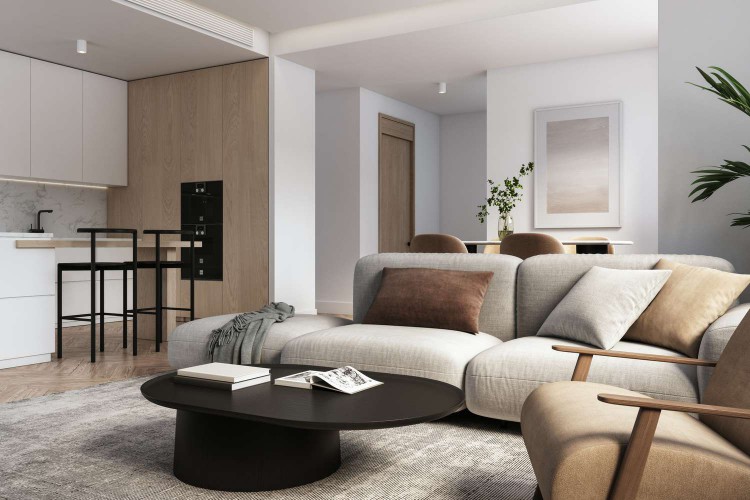
Unfortunately, DiBernardo says, apartments aren't known for having the best lighting. This means that you will want to go above and beyond by weaving in multiple light sources into your space. DiBernardo recommends adding plenty of decorative light fixtures like table lamps, floor lamps, and sconces, so you won't need to rely on harsh overhead lighting.
Lamps are a great way to express your style, so have fun choosing shades and bases that reflect your personal aesthetic.
CreativaStudio / Getty Images
Not Asking About Possible Upgrades
Michael Graham-Smith, the founder of Graham-Smith Designs, encourages apartment dwellers to develop a clear sense of what types of renter-friendly decorative changes they can and cannot make upon moving into their new home.
It'll be important to understand if your lease allows you to paint or add elements like removable wallpaper since it could completely transform how your home feels, Graham-Smith says.
Unable to make these types of alternations? By no means is all hope lost. Graham-Smith suggests opting for curtains and rugs which will help elevate a space without the need to repaint it at the end of the lease.
Better yet, you can aim to sell them or bring them with you to your next place at the end of your rental term in order to truly get your money's worth.
Hesitating to Add Color
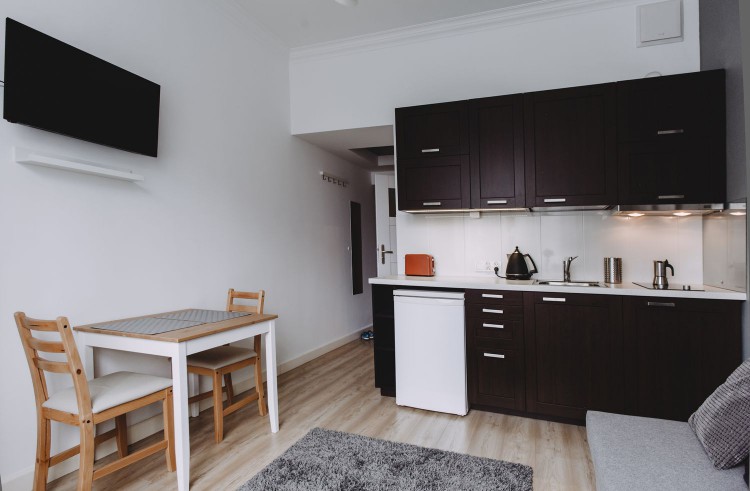
Got the okay from your landlord that you can make some changes to your apartment's walls? In this case, there's no need to keep your space plain in color, even if you don't plan to stay there for long.
Wheeler explains how a black accent wall or wallpapered room can help make an apartment look bigger. "Escape the land of neutral tones and take a chance," Wheeler says.
Pawel Wewiorski / Getty Images
Investing in the Wrong Pieces
When living in an apartment, choose what to spend your hard-earned money on wisely, as not every piece will translate beyond your small space or remain in vogue for years to come.
Don't invest in expensive pieces that you won't want to bring to your next apartment or home, Graham-Smith advises. Instead, invest in pieces you'll love like a great bed, chair, or a coffee table.
Recommended Articles
5 Reasons Why You Should Never Paint Your Deck, Pros Say
If you're considering painting your deck, be mindful that experts are extremely opposed to this practice for a number of reasons. Below, they delve into the risks associated with painting a deck, whic
7 Editors on How They Made Their First Apartments Feel Like Home
This story is part of Home School, our complete guide to making your first home your own, where we share our first-hand and expert advice on everything you need to know to make your first home your be
11 Easy Ways to Make a Small Room Look Bigger
You may lament the lack of space if you're in the process of decorating a small room, but there are plenty of reasons why small is better: small spaces are easier to decorate, easier to keep clean, an
How to Mix Modern and Antique Furniture
The most livable interiors are those that can’t be pinned to a specific era or decade, but integrate elements from the history of home design. The desire to mix old and new can be sparked by the archi
The Outdated Home Decor You Should Throw Out While Spring Cleaning, Designers Say
Spring cleaning is about more than just donating clothes that no longer fit or parting ways with anything in your home that is stained or broken. It's also a great time to evaluate your home decor and
4 Budget-Friendly Tips to Know Before Renovating Your Home, According to Home Experts
This story is a part of our Old House New Issue, where we explore why people are no longer moving in 2024, and how to renovate your current home to make it work for you. To learn more about where to s
Why You Should Buy a Bidet
In the United States, bidets are rarely used and often considered luxury amenities, although they are standard in other parts of the world. They can conserve toilet paper and gallons of water by repla
What Is a Pot Filler and Do You Need One in Your Kitchen? Everything You Should Know
You might have noticed a trend in today's kitchen remodels, particularly high-end ones, is the addition of a pot filler: that secondary faucet typically mounted onto the wall right behind the kitchen’