
Key Points
- Lacking a clear entryway drop zone or not layering in enough textures can make a home feel cold and unwelcoming.
- Poor lighting can ruin the atmosphere of a space, so aim to layer different light sources and choose warmer bulbs to help create an inviting mood.
- Oversized or undersized furniture can disrupt the flow of a room. Balance the scale with the room size, and always be mindful of spacing for intimacy.
Ever walk into a home that just feels off—but you can’t quite put your finger on why? You’re not alone. According to interior designers, even small design choices can make a big difference in how inviting a space feels.
Below, we’re breaking down the most common decorating mistakes that could be zapping your home's welcoming energy—and how to fix them.
Meet the Expert
- Maria Wu is the founder and principal designer at Studio Wu.
- Melissa Roberts is the president and CEO at Melissa Roberts Interiors.
- Kristen Thomas is the founder and CCO at Studio Thomas.
No Clear Drop Zone
Maria Wu, founder of Studio Wu, stresses that a poorly-thought-out entryway can make your whole home feel uninviting, as it’s the first space your guests see.
To stave off any cold connotations, Wu suggests designating a clear drop zone in your entry. Without a designated spot for coats, shoes, or bags, guests are left guessing, she explains, and that uncertainty can create an awkward first impression.
Whether it’s a bench, a few well-placed hooks, or a simple tray, setting up a purposeful entry area signals intentions and consideration the moment someone walks through the door.
Want more design inspiration? Sign up for our free daily newsletter for the latest decor ideas, designer tips, and more!
Ignoring Scale
Gayrat Tolibov / Getty Images
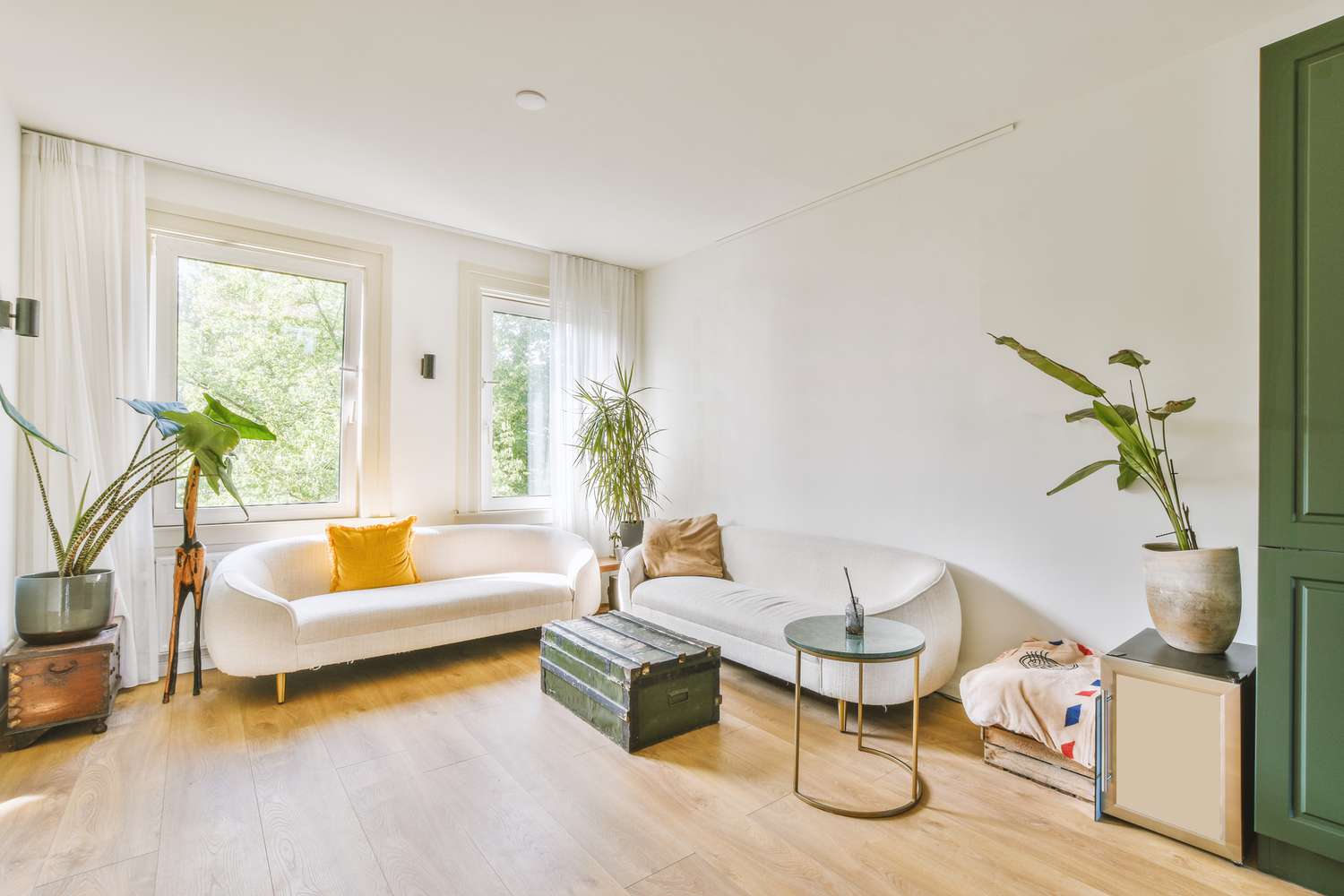
A spacious living room won’t feel cozy with a tiny loveseat stranded in the middle, just like a studio apartment won’t feel functional—or inviting—if a giant horseshoe sectional dominates the space. The key takeaway? Scale matters.
Melissa Roberts, founder of Melissa Roberts Interiors, emphasizes the importance of matching furniture to the size of the room to create a space that feels relaxing and welcoming.
Even in a large room, she advises caution with oversized pieces.
“While oversized furniture may look cozy, it can quickly overwhelm a space and make it feel less welcoming," she says. Before purchasing, consider your room’s scale, walkways, and how the space will function day to day."
It’s not just about size, though—spacing is just as crucial. Roberts recommends keeping your coffee table about 18 inches from seating to make it easy for guests to settle in.
“Intimate settings are more approachable than settings that are spaced apart,” she says.
Under-Layered Interiors
Klaus Vedfelt / Getty Images
Have you ever felt truly relaxed in a lobby? Probably not, and here’s why: there are few to no textiles.
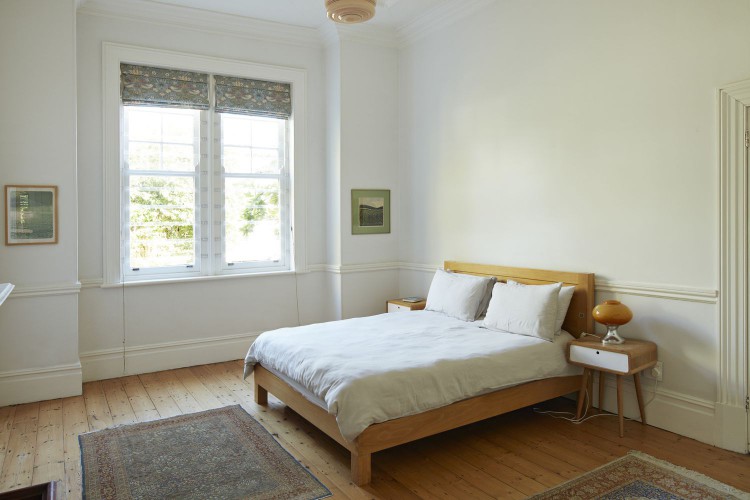
Underdressed sofas, bare windows, and a lack of texture can make a space feel cold and impersonal—like somewhere you wouldn’t want to stick around. "Layering textiles is key to bringing in the natural comfort your family and guests will be drawn to," says Roberts.
Soft elements make hard lines feel approachable. Roberts recommends throwing a few pillows on a structured sofa, laying down an oversized rug, and framing windows in some pretty textured window treatments.
Unbalanced Lighting
A home that feels bright and inviting by day can lose its charm come nightfall—and according to Roberts, poor lighting is usually the culprit.
Because lighting can be tricky to get right, Roberts has a few go-to tips for homeowners. Since overhead lighting is important for function but can be dim or harsh on its own, Roberts recommends layering it up. Add ambient light with table lamps, sconces, or pendants to soften the space and make it feel more inviting.
When it comes to bulbs, Roberts swears by warmer tones:
“Bulb temperatures in residential settings should be warm; my preference is 3000-3500K," she says. "This color temperature seems to give the perfect glow."
Another simple tip? "Maximize natural light whenever possible," says Roberts. "One easy way to do this is by placing mirrors strategically to reflect and amplify the light throughout the space."
A Lack of Curves
It’s easy to get stuck on sharp angles when decorating—think credenzas, bookcases, dining tables, and even sofas, all defined by their rigid lines. But Kristen Thomas, founder and CCO of Studio Thomas, warns that overloading a room with hard angles can quickly make it feel uninviting.
“If there’s no curve to the furniture silhouettes, no softness in architectural details like archways or window treatments, the space can start to feel cold and sterile,” she explains. "It’s similar to walking into a medical facility: cool tones, hard materials, no organic elements."
She stresses that a welcoming home needs a mix—a tension between strength and softness, which can be achieved by partnering hard-angled pieces with curved items like round mirrors, barrel back chairs, serpentine sectionals, or arched headboards.
Recommended Articles

4 Natural Paint Removers for Every Surface
Removing or stripping paint from any type of surface is seldom an easy job. Every surface takes paint differently and every type of paint reacts differently to the surfaces. Add in environmental condi
8 Things You Shouldn't Keep on Your Open Shelves (They're Making Them Look Bad)
Summary Steer clear of heavy and bulky items that add visual weight to open shelving.Avoid styling floating shelves with generic knicknacks that don’t serve any aesthetic or practical purpose.Skip fra
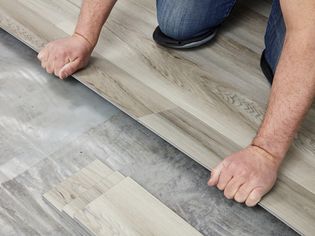
Vinyl Plank Flooring Review: Pros and Cons
Vinyl plank flooring, also known as luxury vinyl flooring (LVF) or luxury vinyl plank (LVP), offers a durable and cost-effective alternative to traditional flooring options. Unlike standard sheet viny
10 Best Basement Floors
Even when the weather is dry, basement flooring does not follow standard rules. Due to its proximity to the ground, it might leach residual moisture in vapor. Some basements can also experience up-to-
Do You Really Need to Cover Your AC Unit in Winter? It Depends, HVAC Pros Say
Many homeowners cover their outdoor air conditioning unit in winter to protect it from wind, sleet, hail, and snow. But covering the AC unit may not be a necessary step to keep it in good condition, d

How to Unclog a Sink Drain
A blocked kitchen or bathroom sink full of water can feel like a nightmare, but luckily, clogs can usually be cleared with DIY methods. Soap scum, hair, and food scraps are some of the most common rea
How to Unclog a Sink Drain
A blocked kitchen or bathroom sink full of water can feel like a nightmare, but luckily, clogs can usually be cleared with DIY methods. Soap scum, hair, and food scraps are some of the most common rea
What Is a Pot Filler and Do You Need One in Your Kitchen? Everything You Should Know
You might have noticed a trend in today's kitchen remodels, particularly high-end ones, is the addition of a pot filler: that secondary faucet typically mounted onto the wall right behind the kitchen’