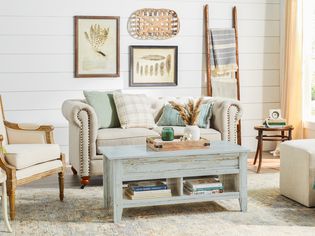
Shabby chic is an interior decorating style that blends vintage and cottage elements in soft, romantic colors and textures to create an elegant, yet worn and welcoming look. A favorite for decades, shabby chic rose to popularity in the late 1980s. Shabby chic is still in style, but it is now considered less trendy and more classic, with a few updates that freshen up the look. We spoke with interior designers who shared more about the style's history and its key characteristics. They also provided many useful tips for decorating your own shabby chic home.
Meet the Expert
- Carrie Leskowitz is the founder of Carrie Leskowitz Interiors in Philadelphia.
- Amy Leferink is the owner and principal designer at Interior Impressions in Minnesota.
- Lauren DeBello is the founder of Lauren DeBello Interiors in Nashville.
Shabby Chic Origins
The shabby chic style became famous in the 1980s and '90s. It surged in popularity after designer Rachel Ashwell opened a store with the same name. Ashwell coined the phrase "shabby chic" to define her concept of transforming vintage thrift finds into casual, yet elegant, and pretty home decor. As her store expanded, she partnered with mass retailers like Target to make shabby chic-style products widely available to the public.
The Style Resurges
While other aesthetics have emerged in the years since Ashwell's rise to fame, designer Carrie Leskowitz, Carrie Leskowitz Interiors, knew it was only a matter of time before shabby chic became mainstream yet again.
"Welcome back, Rachel Ashwell, we have missed you and your shabby chic aesthetic," Leskowitz says. "I am not surprised the shabby chic look that was so popular in the 1990s is now seeing a resurgence. What goes around comes around, but presently it is streamlined and more refined for a new generation. The look, once a tired trend, now seems tried and true, with a few tweaks."
Leskowitz attributes the return to shabby chic style to the increased time spent at home during the pandemic. "People were searching for familiarity, warmth, and comfort from their home as the pandemic took hold," she explains. "The deep understanding that our home is more than an address became especially prevalent."
Designer Amy Leferink of Interior Impressions has an explanation of the style that supports this point. "Shabby chic is a style that is all about living in comfort and age-old charm," she says. "It creates an instant feeling of homey-ness and warmth, and can cozy up a space without working too hard."
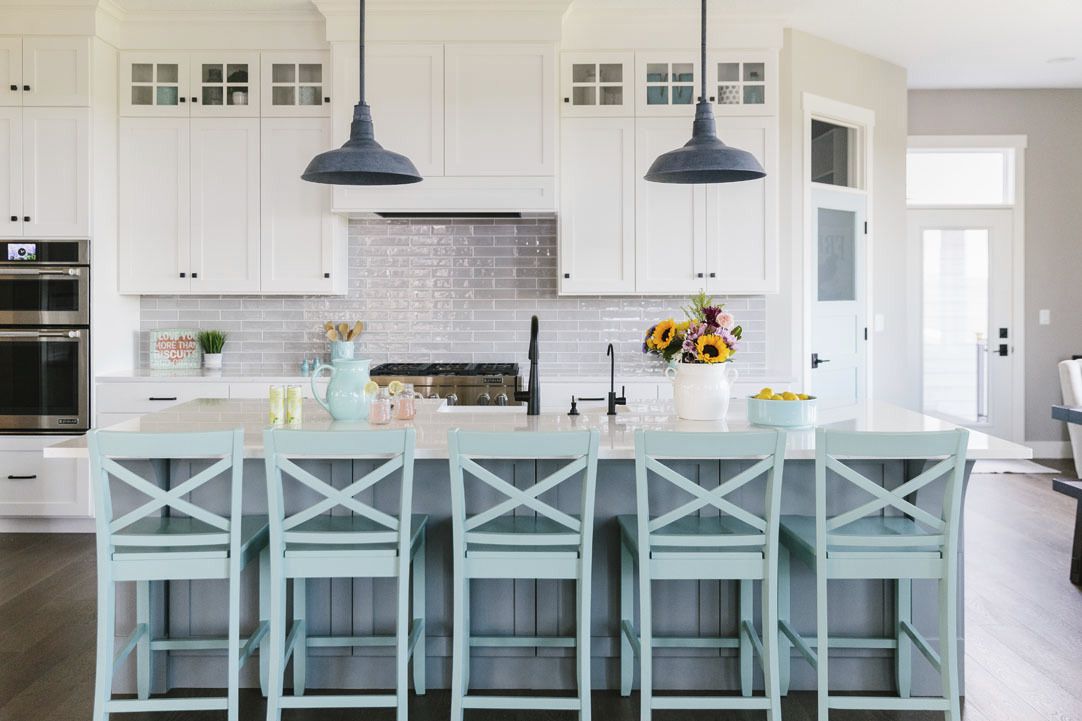
Mackenzie Merrill Photography for Amy Leferink
Key Characteristics
Designer Lauren DeBello of Lauren DeBello Interiors describes shabby chic style as "a classic and romantic alternative to more opulent styles, such as art deco." She adds, "The first things that come to mind when I think of shabby chic are clean, white linen, and antique furniture."
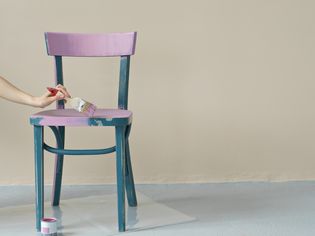
Distressed furniture—often coated in chalk paint—as well as floral patterns, muted hues, and ruffles, are some other key characteristics of shabby chic style. Adds Leskowitz, "The shabby chic look is defined by its vintage or relaxed appearance. It has a romantic and authentically grounded feeling."
As a bonus, the more wear a piece of furniture receives over time, the better it fits within a shabby chic space. "The look holds up under heavy use, and the inevitable scratches and nicks that a well-loved piece of furniture endures only add to the charm," Leskowitz explains.
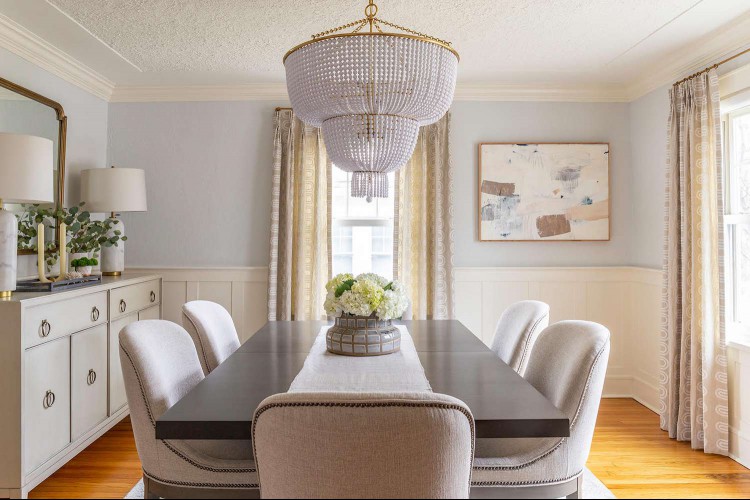
Toni Deis Creative for Mimi & Hill
Shabby Chic Decorating Tips
Shabby chic is still in style, but today's look is a little different and updated from the aesthetic of decades past. "Nailheads, tufting, and skirting may remain, but gone are the unnecessary embellishments, garlands, oversized rolled arms, and heavy swags that defined the earlier shabby chic look," Leskowitz explains.
Designer Miriam Silver Verga of Mimi & Hill agrees that the shabby chic has shifted over time. "The new shabby chic has more depth than the shabby chic of 15 years ago," she shares. "The colors are still soft, but more subdued and inspired by English style that became popularized by British shows such as 'Bridgerton' and 'Downton Abbey'."
Wall moldings, floral wallpapers, and vintage accessories are must-haves, adds Verga, as are organic materials such as jute. "Keeping the connection to the outdoors is key, whether through color scheme, materials, or art," she says.
What Colors are Considered Shabby Chic?
There's a palette of colors that are still considered shabby chic:
- Creamy whites
- Softer neutrals, such as lighter grays and taupe
- Pretty, pale, and mellow versions of pastels, such as mint, peach, pink, yellow, blue, and lavender
- Quiet colors of English-style interiors, such as powder or Wedgewood blues, creams, and hints of hushed gold
Adding Glamour to Shabby Chic
The "chic" component of the phrase "shabby chic" is accomplished by incorporating pieces such as French bergère chairs and crystal chandeliers, which Leskowitz says "lend a regal air to the look."
Designer Kim Armstrong of Kim Armstrong Design also shared advice for creating a more elegant shabby chic setup. "A few nice wood pieces and custom slipcovers help to achieve a more polished shabby chic look that looks refined, instead of like a flea market," she comments. "Using nice fabrics and designing the slipcovers with little custom accents like flat flange details, contrasting fabrics, or ruffled skirts makes the upholstery pieces feel shabby but also chic."
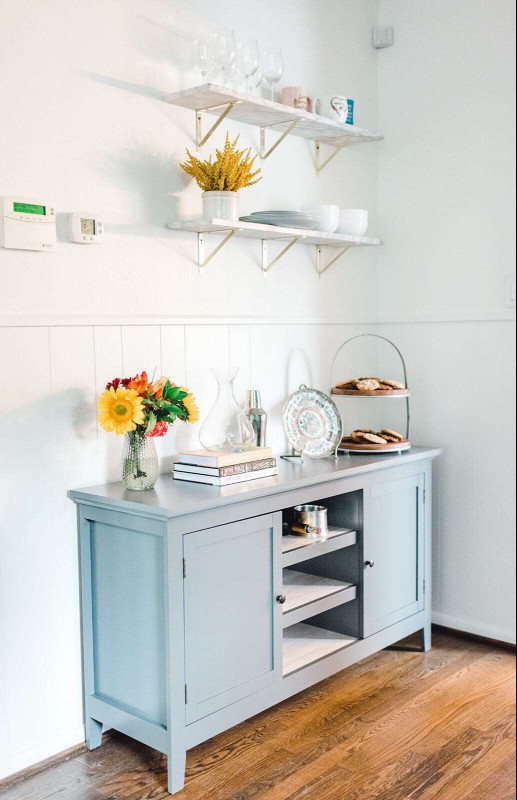
Kaley Elaine Photo for Marian Louise Designs
Where to Buy Shabby Chic Furniture
Designer Mimi Meacham of Marian Louise Design notes that the best way to source shabby chic furniture and decor is to visit an antique store or flea market—items found at such locations will "add a lot of history and depth to your space." Leferink offers a shopping tip. "You don't want to bring in too many disparate elements, as it can create visual clutter and seem very disjointed," she says. "Stick with your color palette, find items that fit within that overall palette, and make sure they have that worn-in feel to them to bring the shabby chic vibe through."
How to Style Shabby Chic Furniture
When styling furniture in a shabby chic space, you'll want to "mix and match furniture pieces and styles that maybe are not the most obvious pair," Meacham suggests. "This sort of intentional haphazard look will bring a lot of character into the space and make it feel cozy and homey."
Additionally, the shabby chic style can easily be altered to incorporate elements of other styles and appear more neutral in tone. "Typically, it can skew feminine, but it doesn't have to," Meacham notes. "I love the idea of injecting some tension into the typical shabby chic look by adding some industrial edge to it with worn-in, galvanized metal in things like barstools or decor items."
Shabby Chic vs. Cottagecore
If you've heard about cottagecore style, you may wonder if it's the same as shabby chic. The two styles share some characteristics but differ in others. They both share the notion of living in cozy, lived-in comfort. But cottagecore goes beyond shabby chic; it's more of a lifestyle trend that emphasizes the romanticized idea of slow rural and prairie life and a home filled with simple handcrafted, homegrown, and homebaked items.
- Is shabby chic still in style?
Shabby chic is an established style, but there’s a fresh take from its inception in the 1980s and '90s. It's now more curated and less frilly, fussy, or flea market in style.
What other styles are similar to shabby chic?Cottagecore, modern farmhouse, rustic style, bohemian style, and French country all have common threads with shabby chic by using vintage pieces and giving a relaxed, welcoming impression.
Is shabby chic the same thing as boho style?Shabby chic and boho style are relaxed aesthetics that mix old and new. However, boho style is bolder, unconventional, eclectic, and colorful. For example, unlike the neutral and muted pastel palette of shabby chic, boho style layers warm earthy colors, metallics, and jewel tones against a white backdrop.
Recommended Articles
 PAINTING
5 DIY Mistakes Professional Furniture Flippers Always Notice
Whether you’re interested in flipping or upcycling a furniture piece for personal use in your home or to resell as part of a side gig, you’ll want to avoid these common mistakes that professional flip
HOME-DESIGN-STYLESModern vs. Contemporary Design Style: What's the Difference?
For most people, the design terms modern and contemporary sound like they mean the same thing—and a dictionary definition supports this interpretation. The words are considered synonyms. But for home
INTERIOR-DECORATING8 Things You Shouldn't Keep on Your Open Shelves (They're Making Them Look Bad)
Summary Steer clear of heavy and bulky items that add visual weight to open shelving.Avoid styling floating shelves with generic knicknacks that don’t serve any aesthetic or practical purpose.Skip fra
ROOM-DESIGN-AND-DECORATINGOpen Floor Plans Are Over—Why Designers Hate Using This Layout in Their Projects
Open floor plans, majorly in style at the beginning of the 21st century, have started to fall out of favor in more recent years. "While open floor plans are popular in a lot of new homes with their mo
INTERIOR-REMODEL-AND-REPAIR5 Home Projects You Should Always Leave to the Pros, According to Contractors
Renovating your home is a rollercoaster—between deciding where to splurge and where to save, remembering every project that needs doing, and picking a room to start with, there are so many factors to
OUTDOOR-BUILDINGHow Much Does a Retaining Wall Really Cost?
Retaining walls control erosion and drainage problems, and they add usable space for gardens, patios, or detached living units. On average, a retaining wall costs about $4,800. Meet the Expert Joe Rab
EXTERIOR-REMODEL-AND-REPAIRIs It Okay for Your Outdoor Lights to Shine in Your Neighbor's Windows? This Neighbor Thought So
Key Points Unwanted outdoor lighting from neighbors can disrupt sleep and daily life.LED lights are problematic because they’re brighter and cheaper to operate than incandescents.Solutions include fri
KITCHEN-REMODEL-AND-REPAIRKitchen Spacing Rules and Distances
A kitchen remodel is no small feat, and in the interest of trying to make things just a bit easier on yourself, you may be tempted to ignore spacing and placement recommendations for islands, seating,